Healthy hair starts with consistent, sensible routines tailored to your specific hair type. Whether your hair is straight, wavy, curly, or coily, the basics—cleansing, conditioning, styling, and protection—are the same, but how you approach each step changes. Below are practical, easy-to-follow guidelines to keep your hair looking and feeling its best.
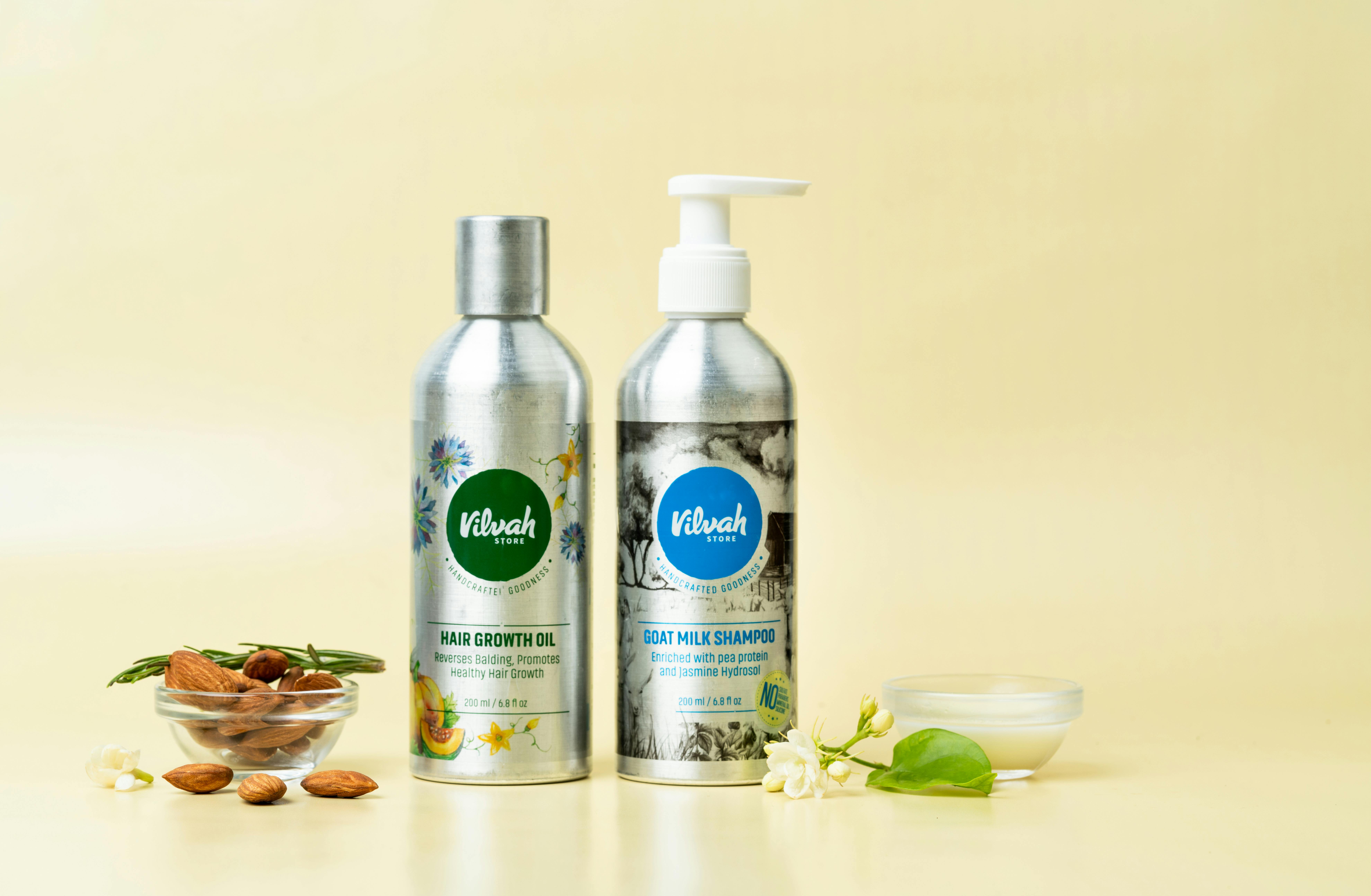
Cleansing: Know Your Frequency and Method
Cleansing removes buildup, sweat, and styling residues. Choose a shampoo that suits your hair and scalp: lightweight, balancing formulas for oily or fine straight hair; sulfate-free, moisturizing options for dry, textured hair. Guidelines by type:
- Straight: 2–4 times per week if oily; many straight-haired people can shampoo every other day. Focus shampoo on the scalp and let the rinse clean the lengths.
- Wavy: 2–3 times per week is a good starting point. Consider co-washing (conditioner-only wash) between shampoos if hair feels dry.
- Curly: 1–2 times per week often works best. Co-washing is popular to preserve natural oils; if you use surfactant shampoos, choose gentle, moisturizing formulas.
- Coily: Once a week or every 10 days is common, with co-washing between washes to maintain moisture and prevent frizz.
Tip: Clarify once a month (or every few weeks if you use many styling products) to remove buildup. Apply shampoo to the scalp, massage gently, and rinse thoroughly.
Conditioning: Hydration and Strength
Conditioners restore moisture, detangle, and protect cuticles. Apply conditioner primarily to mid-lengths and ends to avoid weighing down roots. Consider deep conditioning weekly or biweekly if hair is dry or chemically treated.
- Straight: Use lightweight, silicone-free or light silicone conditioners if you want more shine and slip without heaviness. Rinse with cool water for extra smoothness.
- Wavy: Opt for moisturizing conditioners that enhance wave pattern without flattening. A light leave-in can help define waves.
- Curly: Use creamy, rich conditioners and regular deep conditioning. Leave-in conditioners help maintain shape and reduce frizz.
- Coily: Heavier creams and butters provide long-lasting moisture. Seal with an oil or butter after applying a leave-in to lock hydration.
Protein treatments are useful if hair feels mushy or weak, but balance protein with moisture according to your hair’s needs (porosity plays a role here).
Detangling and Combing
Detangle gently, ideally when hair is wet and conditioned. Work from ends upward and use a wide-tooth comb or fingers. Avoid aggressive brushing on textured hair to minimize breakage and frizz. For straight hair, detangling before washing can reduce knotting.
Styling: Heat, Tools, and Products
Styling should preserve your hair’s health. Always use a heat protectant before hot tools and aim for the lowest effective temperature.
- Straight: Blow-dry with a nozzle and a round or paddle brush for smoothness. Light serums and shine sprays work well to tame flyaways.
- Wavy: Use a diffuser on low heat or let air-dry with a scrunching motion. Mousse or light creams can enhance waves without weighing them down.
- Curly: Use styling creams, gels, or custards to define curls. Apply products when hair is wet, scrunch, and dry with a diffuser or air-dry. Avoid brushing once styled.
- Coily: Stretch styles with twist-outs, braid-outs, or banding techniques to elongate coils. Use heavier creams and gels to define pattern and reduce shrinkage.
Protective Routines: Night Care and Long-Term Health
Protection reduces friction, breakage, and moisture loss:
- Sleep on a satin or silk pillowcase or use a satin bonnet/scarf to minimize friction and preserve styles.
- Consider low-manipulation or protective hairstyles (braids, twists, buns) especially for coily and curly hair to reduce daily stress.
- Limit chemical services and high-heat styling. When you do use them, increase conditioning and trim split ends regularly.
- Trim hair every 8–12 weeks if you have damage or split ends; healthier hair can go longer, but regular trimming supports better growth appearance.
Additional Tips
– Listen to your hair: if it feels dry, add more moisture; if it feels limp, reduce heavy products and consider a clarifying wash.
– Water temperature matters: warm to open the cuticle for cleansing, cool to close it for shine.
– Protect hair from sun and chlorine: wear a hat in strong sun and rinse or wet hair before swimming; use a barrier oil or conditioner if you swim frequently.
– Nutrition and hydration contribute to hair quality; a balanced diet and drinking water support overall hair health.
Final Thoughts
There’s no one-size-fits-all routine. Start with these principles, track how your hair responds, and adjust frequency, products, and techniques accordingly. Over time you’ll build a personalized regimen that keeps your straight, wavy, curly, or coily hair looking its healthiest.
4 Replies to “Essential Haircare Tips for Every Hair Type”
Leave a Reply to Evan R. Cancel reply
Related Posts

Bridal Makeup Trends 2026: Long-Wear Looks & Photo-Ready Tips
Your wedding day is one of the most photographed moments…
Top Facial Treatments for Glowing Skin
Everyone wants a healthy, luminous complexion, but the path to…



This post was super helpful — I switched to co-washing and have noticed less frizz in my curls. Thanks for the practical tips!
Can you recommend a gentle clarifying shampoo? My scalp gets product buildup from styling sprays.
Love the night routine tips. I started using a satin pillowcase and my braid-outs last much longer.
Great breakdown by hair type. Would you add anything specific for color-treated straight hair?