Your skin is unique, and choosing the right cleansers, serums, and moisturizers comes down to understanding your skin type, your concerns, and how different ingredients work. This guide walks you through the decision process step by step so you can build an effective, safe routine for acne, aging, sensitivity, or dryness.
Step 1 — Identify Your Skin Type and Primary Concerns
Before buying anything, determine whether your skin is oily, dry, combination, normal, or sensitive. Note specific concerns: acne, fine lines and loss of firmness (aging), redness or irritation (sensitivity), or persistent flaking and tightness (dryness).
Step 2 — Choose the Right Cleanser
Pick a cleanser that removes dirt, oil, and makeup without stripping the skin barrier. Consider these options:
- Oily/acne-prone: Gel cleansers or foaming cleansers with low-irritant exfoliants. Look for salicylic acid (BHA) if you have blackheads or acne-prone pores.
- Dry: Cream or lotion cleansers and oil cleansers that are gentle and hydrating, avoiding sulfates and high-foaming agents.
- Sensitive: Fragrance-free, soap-free cleansers with calming ingredients like glycerin and ceramides.
- Normal/combination: A balanced, gentle cleanser; micellar water for quick makeup removal can be fine.
Also consider the pH: a slightly acidic cleanser (pH ~5-6) helps maintain the skin barrier. If you wear heavy sunscreen or makeup, double-cleanse at night—oil cleanse first, then follow with your regular cleanser.
Step 3 — Select Serums Based on Active Ingredients
Serums deliver targeted actives in higher concentrations. Choose actives according to concerns:
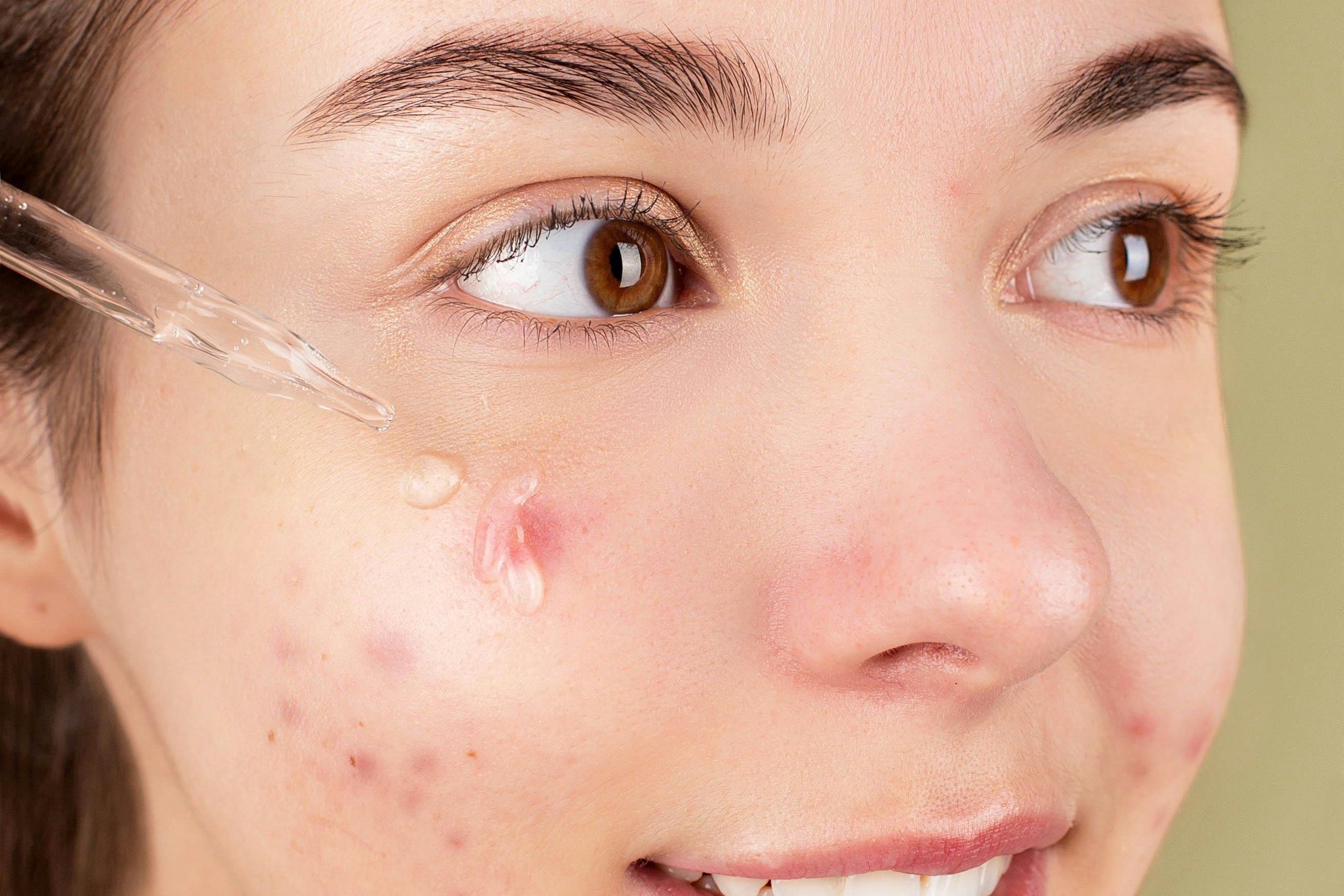
- Acne: Salicylic acid (BHA) for pore exfoliation; benzoyl peroxide for antibacterial treatment; niacinamide helps reduce inflammation and sebum production.
- Aging: Retinoids (retinol, retinaldehyde, prescription tretinoin) to boost collagen and cell turnover; vitamin C (ascorbic acid) for antioxidant protection and brightening; peptides and growth factors for support.
- Sensitivity: Low-strength, soothing actives like niacinamide, azelaic acid, and panthenol. Avoid high concentrations and fragranced vitamin C derivatives initially.
- Dryness: Hydrating serums with hyaluronic acid, glycerin, and low concentrations of ceramide-containing formulations to attract and hold moisture.
General tips: start with lower concentrations if you’re new to an active. For vitamin C, look for stable forms (L-ascorbic acid in proper pH or derivatives like MAP). For retinoids, begin every other night at a low concentration and build tolerance.
Step 4 — Pick a Moisturizer That Matches Barrier Needs
Moisturizers contain humectants, emollients, and occlusives. The balance determines how they suit your skin:
- Dry skin: Look for heavier creams that include occlusives (petrolatum, dimethicone) plus humectants like glycerin or hyaluronic acid.
- Oily/acne-prone: Lightweight, non-comedogenic gels or lotions with humectants and oil-controlling ingredients; avoid heavy occlusives that can trap oil.
- Sensitive: Fragrance-free, minimal ingredient lists, ceramides, cholesterol, and fatty acids to repair the barrier.
- Aging: Moisturizers with peptides, niacinamide, and antioxidants support texture and tone; richer creams at night can aid repair.
Remember daytime moisturizer should be followed by a broad-spectrum sunscreen (SPF 30+). Many daytime moisturizers include SPF, but verify both UVA and UVB protection.
Step 5 — Layering and Timing
Apply products in order of thinnest to thickest textures: toner/essence (if used), serum, eye cream, moisturizer, oil (if used), and sunscreen in the morning. At night, the same order applies with actives like retinoids or acids applied after cleansing and before heavier creams.
Allow products to absorb for a minute or two between layers. Some actives need a clean, dry face (e.g., pure vitamin C), while hyaluronic acid works better on slightly damp skin.
Step 6 — Patch-Test and Introduce One Product at a Time
Always patch-test new products on a small area for 48–72 hours to check for reactions. Introduce one active or product every 2–4 weeks so you can identify the cause of irritation or improvement.
Step 7 — Know What Not to Mix
- Avoid using strong AHAs/BHAs and retinoids together initially—this can overstimulate and irritate. Alternate nights if needed.
- Vitamin C (L-ascorbic acid) can be acidic; some people avoid layering it immediately with strong acids or retinoids to prevent irritation.
- Niacinamide generally plays well with many ingredients and can reduce irritation from other actives.
Step 8 — Read Labels and Set Realistic Expectations
Look for clear ingredient lists and concentrations when provided. Avoid products that hide active concentrations. Results take time—acne treatments can take 6–12 weeks; retinoids may take several months to show anti-aging benefits. If irritation occurs, stop the product and reassess.
Routine Examples
Acne-prone: gentle salicylic acid cleanser, niacinamide serum, lightweight non-comedogenic moisturizer, sunscreen AM; benzoyl peroxide or retinoid PM (introduced slowly).
Aging skin: gentle hydrating cleanser, antioxidant vitamin C serum AM, peptide or hyaluronic serum, richer moisturizer, sunscreen AM; retinoid PM with hydrating moisturizer.
Sensitive skin: fragrance-free cream cleanser, soothing niacinamide or azelaic acid serum (low strength), ceramide-rich moisturizer, sunscreen. Introduce actives conservatively.
Dry skin: creamy cleanser, hydrating serum with hyaluronic acid, occlusive-based moisturizer, facial oil if needed at night, sunscreen AM.
When to See a Professional
If over-the-counter products don’t help acne, or if you have severe irritation, persistent redness, or sudden changes in your skin, consult a dermatologist. Prescription-strength ingredients and tailored plans can be much more effective and safer for some conditions.
Final Checklist Before Buying
- Identify your skin type and primary concern.
- Check ingredient match for that concern (salicylic acid for acne, retinoids for aging, ceramides for barrier repair, etc.).
- Look for fragrance-free and minimal irritants if sensitive.
- Patch-test and introduce one new product at a time.
- Use sunscreen daily as the final AM step.
Choosing skincare is both art and science—knowing ingredients, understanding your skin’s needs, and using products consistently and safely will give the best results. Start simple, be patient, and adjust based on how your skin responds.
3 Replies to “How to Choose the Right Skincare Products: Step-by-Step Advice”
Leave a Reply to Tom_92 Cancel reply
Related Posts
Top Facial Treatments for Glowing Skin
Everyone wants a healthy, luminous complexion, but the path to…

Essential Haircare Tips for Every Hair Type
Healthy hair starts with consistent, sensible routines tailored to your…



Great breakdown—especially the part about patch-testing and introducing products slowly. Saved me from mixing things that would irritate my skin.
Nice practical advice. I’d add that people with hormonal acne should consult a dermatologist early, since topical care sometimes isn’t enough.
Helpful routine examples. I switched to a ceramide moisturizer for winter and it really improved my dryness.